


Introduction
In today’s fast-paced digital world, businesses rely heavily on software to manage operations, improve efficiency, and stay competitive. Whether it’s managing customer relationships, tracking sales, or streamlining internal processes, business software plays a crucial role. However, many beginners and even intermediate professionals often struggle to understand how to create, implement, or choose the right software for their business.
Business software development is the process of designing, building, and maintaining software applications tailored to meet specific business needs. It involves understanding the goals of a business, analyzing requirements, and translating them into functional, user-friendly software solutions. Proper business software development can help companies automate routine tasks, reduce errors, and make data-driven decisions.
This guide will break down the topic of business software development in a simple, easy-to-understand way. You’ll learn what it is, why it’s important, the step-by-step process of creating business software, its benefits, risks, common mistakes, and some expert tips to ensure success. By the end, you’ll have a solid understanding of business software development and feel confident exploring or starting your own software project.
What is Business Software Development?
Business software development refers to the process of designing and creating software specifically for businesses. Unlike general software, business software is tailored to solve unique problems or support specific processes within an organization. This could include accounting systems, inventory management tools, customer relationship management (CRM) software, or project management applications.
The development process usually involves a team of professionals, including software developers, project managers, designers, and testers. They work together to create a solution that aligns with the company’s goals and improves operational efficiency. The software may be built from scratch or customized from existing platforms, depending on the requirements.
In simple terms, business software development is about transforming business needs into digital tools that help the company operate more smoothly and efficiently. It is not just about coding; it’s about understanding the business, designing the right solution, testing it, and maintaining it over time.
Why is Business Software Development Important?
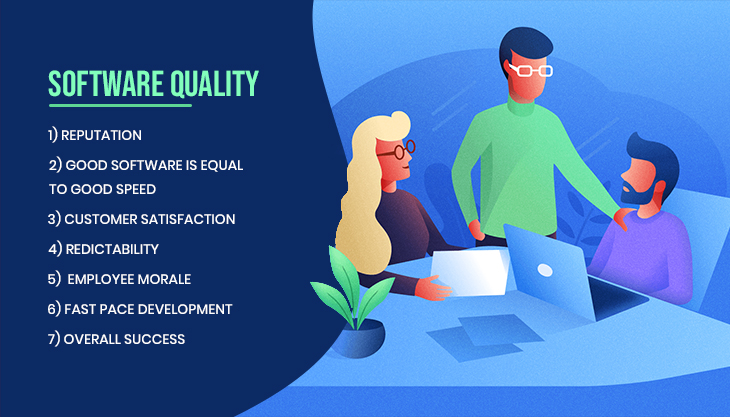
Business software development is essential for several reasons. Here are the main points that explain its importance:
- Automation of Tasks: Repetitive tasks like data entry, invoicing, or report generation can be automated, saving time and reducing errors.
- Improved Efficiency: Customized software aligns perfectly with business processes, allowing teams to work faster and smarter.
- Better Decision-Making: Business software often includes analytics and reporting features that provide insights for informed decisions.
- Competitive Advantage: Companies that use effective software can outperform competitors by being more agile and responsive to market changes.
- Scalability: As businesses grow, software can scale to handle more users, transactions, or data without disrupting operations.
- Customer Satisfaction: CRM and support tools improve interactions with customers, enhancing loyalty and retention.
In short, business software development is not just a technical process; it is a strategic investment that can drive growth and success.
Detailed Step-by-Step Guide to Business Software Development
Creating effective business software requires a structured approach. Here’s a step-by-step guide that beginners and intermediate users can follow:
Step 1: Requirement Analysis
The first step is understanding what the business needs. This involves:
- Interviewing stakeholders
- Analyzing current processes
- Identifying pain points and goals
Example: A retail store may need inventory tracking to prevent overstocking and understocking.
Step 2: Planning and Design
Once requirements are clear, the next step is planning the software architecture and designing the interface. This includes:
- Choosing the right technology stack (e.g., Python, Java, or .NET)
- Creating wireframes or mockups
- Defining system workflow
Good planning ensures the software will meet user expectations and business goals.
Step 3: Development
This is the stage where coding begins. Developers build the software based on the designs. Key practices include:
- Writing clean and maintainable code
- Integrating APIs or third-party services if needed
- Following coding standards and best practices
Step 4: Testing
Before deploying, the software must be thoroughly tested to ensure it works as expected. Testing can include:
- Functional testing (does it do what it should?)
- Usability testing (is it user-friendly?)
- Security testing (is it safe from attacks?)
Testing helps prevent future issues and ensures a smooth user experience.
Step 5: Deployment
After testing, the software is deployed to the live environment. Steps include:
- Installing the software on servers or cloud platforms
- Configuring settings and permissions
- Training employees on how to use the system
Step 6: Maintenance and Updates
Software development doesn’t end after deployment. Continuous maintenance is crucial to:
- Fix bugs or glitches
- Add new features as the business grows
- Ensure compatibility with new technologies
Ongoing support keeps the software relevant and efficient.
Benefits of Business Software Development
Developing customized business software provides numerous advantages:
- Time-saving: Automates repetitive tasks
- Cost-efficient: Reduces manual labor and errors
- Better organization: Centralizes data and processes
- Enhanced collaboration: Teams can share information easily
- Data-driven insights: Real-time reporting for smarter decisions
- Customer satisfaction: Improves response time and service quality
- Adaptable: Can evolve as business needs change
Disadvantages / Risks
While business software development has many benefits, there are some risks:
- High initial cost: Custom software development can be expensive
- Time-consuming: Developing from scratch takes significant time
- Technical complexity: Requires skilled professionals
- Maintenance needs: Software needs updates and ongoing support
- Risk of failure: Poor planning can lead to ineffective software
- Security threats: Vulnerabilities can lead to data breaches
Understanding these risks helps businesses plan better and avoid costly mistakes.
Common Mistakes to Avoid
Even experienced businesses can make mistakes during software development. Common ones include:
- Skipping requirement analysis: Leads to software that doesn’t fit the business needs
- Poor communication: Developers and stakeholders must collaborate effectively
- Neglecting user experience: Complicated software reduces adoption rates
- Ignoring testing: Can result in bugs and operational issues
- Overcomplicating features: Focus on essentials first, add extras later
- Not planning for scalability: Software should grow with the business
Avoiding these mistakes increases the chances of creating successful software.
FAQs
1. What is the difference between business software and general software?
Business software is designed to meet specific organizational needs, like accounting or inventory management, while general software serves a broad audience, like word processors or browsers.
2. How much does business software development cost?
Costs vary depending on complexity, features, and customization. Small projects can start from a few thousand dollars, while enterprise-level solutions may cost tens or hundreds of thousands.
3. Can I develop business software without coding knowledge?
Yes, low-code or no-code platforms allow users to create software with minimal technical skills. However, complex systems may still require professional developers.
4. How long does it take to develop business software?
Development time depends on complexity. Simple software may take a few weeks, while complex solutions can take months. Proper planning reduces delays.
5. Should I use off-the-shelf software or custom software?
Off-the-shelf software is cheaper and faster to implement but may not meet all requirements. Custom software is tailored to your needs but costs more and takes longer to develop.
6. How do I ensure my software is secure?
Security measures include using encrypted connections, strong authentication, regular updates, and vulnerability testing. Collaborating with experienced developers is crucial.
7. Can business software improve customer service?
Absolutely. Tools like CRM software help track customer interactions, manage queries efficiently, and personalize communication, leading to better customer experiences.
Expert Tips & Bonus Points
- Start small: Focus on essential features first, expand later
- Choose the right technology: Ensure it matches business needs and future growth
- Prioritize user experience: Easy-to-use software increases adoption
- Document everything: Keeps the project organized and helps new team members
- Test continuously: Early testing reduces costly errors later
- Plan for updates: Technology evolves, and software should too
- Seek professional help: Experienced developers save time and ensure quality
Bonus Tip: Always involve end-users in the design process. Their feedback ensures the software is practical and efficient.
Conclusion
Business software development is a powerful tool that can transform the way companies operate. From automating routine tasks to providing data-driven insights, well-developed software improves efficiency, decision-making, and customer satisfaction. Although the process can be complex, following a structured approach from requirement analysis to deployment and maintenance ensures successful outcomes.
Beginners and intermediate users can start with simpler projects or low-code platforms, while larger businesses may invest in custom solutions for maximum impact. The key is careful planning, testing, and continuous improvement. By avoiding common mistakes and focusing on user experience, businesses can create software that truly adds value.
Investing in business software development is not just about technology; it’s a strategic decision that supports growth, innovation, and competitiveness. With the right approach, tools, and expert guidance, any business can harness the power of custom software to thrive in today’s digital world.
