

Introduction
In today’s digital world, businesses and individuals rely heavily on software applications to streamline their processes, improve efficiency, and enhance user experiences. Whether it’s a mobile app, web application, or enterprise software, the demand for customized and high-quality applications is growing rapidly. This is where application development services play a vital role.
Application development services are designed to help organizations and individuals create, maintain, and improve software applications tailored to their needs. From idea conception to deployment and ongoing support, these services cover the entire software development lifecycle. Beginners might find the world of application development complex, but with the right guidance, understanding the process becomes much easier.
For small businesses or startups, leveraging professional application development services can be a game-changer. It ensures your application is built with scalability, security, and user experience in mind. Intermediate users or business managers can also benefit from these services by learning how to manage development projects effectively and optimize their software solutions for better performance. Throughout this article, we will explore the essentials of application development services, their importance, step-by-step processes, advantages, risks, common mistakes, and expert tips to make your development journey smoother and more successful.
What is Application Development Services?
Application development services refer to professional services that help design, develop, deploy, and maintain software applications for various platforms such as web, mobile, and desktop. These services are provided by specialized companies or freelance developers who have expertise in coding, design, testing, and software project management.
The goal of application development services is to deliver software that meets a client’s specific requirements. Services often include:
- Requirement analysis and consulting
- User interface (UI) and user experience (UX) design
- Front-end and back-end development
- Testing and quality assurance
- Deployment and maintenance
By using these services, businesses can focus on their core activities while experts handle the technical aspects of software development.
Why is Application Development Services Important?
Application development services are crucial for several reasons:
- Business Growth – Custom applications help businesses reach new audiences, automate processes, and enhance productivity.
- Professional Quality – Expert developers ensure the application is reliable, secure, and scalable.
- Time and Cost Efficiency – Outsourcing development can save time and reduce the cost of hiring an in-house team.
- Competitive Advantage – A well-designed application can differentiate a business from its competitors.
- User Satisfaction – High-quality applications with smooth performance enhance the customer experience, leading to loyalty and better engagement.
Without proper development services, businesses risk launching low-quality applications that may lead to negative reviews, security issues, or frequent downtime.
Detailed Step-by-Step Guide
Step 1: Requirement Analysis
The first step is understanding the purpose of the application. Developers and clients collaborate to define goals, target audience, key features, and platform requirements. This step ensures the project has a clear roadmap and avoids unnecessary delays.
Step 2: Planning and Strategy
After gathering requirements, a development plan is created. This includes:
- Technology stack selection (programming languages, frameworks)
- Project timeline and milestones
- Budget estimation
- Risk assessment
A solid plan ensures smooth execution and sets realistic expectations for all stakeholders.
Step 3: Design (UI/UX)
Design is crucial for user engagement. Application development services provide:
- Wireframes and mockups
- User-friendly interfaces
- Intuitive navigation
- Consistent branding
A well-designed application increases usability and reduces user frustration.
Step 4: Development
The development phase converts design into functional software. It includes:
- Front-end development (visible parts of the application)
- Back-end development (server, database, and business logic)
- API integration (connecting with third-party services if needed)
Developers often follow Agile or iterative methodologies to ensure flexibility and faster delivery.
Step 5: Testing and Quality Assurance
Testing ensures the application works flawlessly and is free of bugs. This involves:
- Functional testing
- Performance testing
- Security testing
- Compatibility testing across devices and browsers
Early testing reduces the risk of failures after deployment.
Step 6: Deployment
After successful testing, the application is launched on the intended platform, such as app stores, web servers, or cloud services. Proper deployment strategies minimize downtime and ensure smooth operation.
Step 7: Maintenance and Updates
Post-launch, applications require ongoing maintenance to fix bugs, add new features, and improve performance. Regular updates help applications remain relevant and secure.
Benefits of Application Development Services
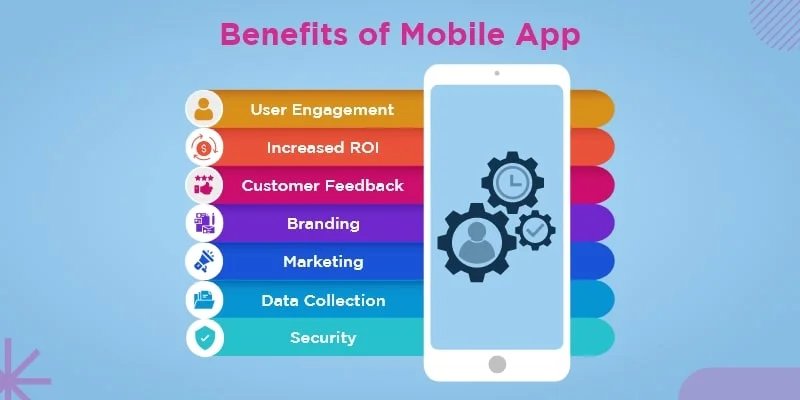
- Customized Solutions – Applications tailored to specific business needs
- Improved Efficiency – Automates repetitive tasks and saves time
- Enhanced Security – Secure coding practices protect user data
- Scalability – Applications can grow with business needs
- Better User Experience – Professional design and smooth performance
- Cost-Effective – Reduces the need for an in-house development team
- Technical Support – Continuous support ensures long-term reliability
Disadvantages / Risks
- High Initial Cost – Professional development services may require significant investment
- Dependence on Developers – Businesses may rely heavily on the development team for updates and troubleshooting
- Time-Consuming – Complex applications may take months to develop
- Communication Gaps – Misunderstandings between clients and developers can cause delays
- Security Risks – Poorly managed projects may face vulnerabilities if not properly tested
Common Mistakes to Avoid
- Skipping Requirement Analysis – Leads to unclear objectives and unnecessary revisions
- Ignoring User Experience – Poor UI/UX can result in low engagement
- Overcomplicating Features – Too many features can confuse users
- Neglecting Testing – Bugs can damage reputation and user trust
- Not Planning for Maintenance – Failing to plan updates can lead to outdated applications
- Choosing the Wrong Technology – Can affect performance, scalability, and future upgrades
FAQs
1. What types of application development services are available?
There are mainly three types: web application development, mobile application development, and desktop application development. Some companies also offer hybrid solutions that work across multiple platforms.
2. How long does it take to develop an application?
The timeline depends on the complexity of the application. Simple apps can take 2–3 months, while complex enterprise solutions may take 6–12 months or more.
3. Can I update my application after launch?
Yes. Application development services include maintenance and updates. Adding new features and fixing bugs ensures the app remains relevant.
4. What technologies are commonly used?
Popular technologies include Java, Python, Swift, Kotlin, React, Angular, Node.js, and cloud platforms like AWS and Azure. The choice depends on the project requirements.
5. Is outsourcing application development services safe?
Yes, if you choose a reputable company with good reviews, proper agreements, and secure development practices. Ensure clear communication and milestones.
6. How much do application development services cost?
Costs vary based on app complexity, platform, features, and development team location. Simple apps may start at a few thousand dollars, while enterprise-level apps can exceed $50,000 or more.
7. Why should small businesses invest in professional development services?
Professional services ensure high-quality, scalable, and secure applications. They save time, reduce errors, and provide technical support, allowing businesses to focus on growth.
Expert Tips & Bonus Points
- Start with an MVP (Minimum Viable Product) – Launching a basic version first helps test the market and gather user feedback.
- Focus on Performance – Ensure the application loads quickly and works smoothly across devices.
- Prioritize Security – Implement encryption, secure APIs, and regular security audits.
- Use Analytics – Track user behavior to make data-driven improvements.
- Regularly Update – Keep the application compatible with new OS versions and devices.
- Choose the Right Team – Look for experienced developers, designers, and project managers with proven track records.
Conclusion
Application development services are essential for businesses and individuals looking to create functional, reliable, and user-friendly software. They provide a structured approach from idea conception to deployment, ensuring that applications meet specific business objectives while delivering a seamless user experience.
By leveraging professional development services, beginners and intermediate users can avoid common pitfalls, save time and costs, and build applications that grow with their business needs. Although there are risks and challenges, proper planning, expert guidance, and adherence to best practices significantly reduce potential issues.
Investing in application development services is more than just hiring developers; it is about securing a competitive edge, enhancing efficiency, and providing a superior experience for users. With careful planning, continuous updates, and attention to detail, anyone can turn their application idea into a successful, functional, and sustainable software product.
