


Introduction
Custom sofware solutions are becoming more important as businesses grow and face unique challenges. Many companies start with ready-made software because it is quick and affordable. However, as operations expand, these tools often fail to meet specific needs. This is where custom software solutions play a key role.
In simple terms, custom software solutions are designed to match how a business works. They focus on real problems instead of offering generic features. This approach helps teams save time, reduce errors, and work more efficiently. Even small businesses can benefit when their processes are supported by the right technology.
Within the first stages of growth, business owners realize that flexibility matters. Custom software solutions allow changes, updates, and improvements without switching systems. They also help businesses stay competitive by offering better customer experiences. For beginners, the idea may sound technical, but the concept is straightforward.
This article explains everything in simple English. You will learn what custom software solutions are, why they are important, how they are developed, their benefits, risks, and common mistakes. By the end, you will have a clear understanding of whether this solution fits your business goals.
What is custom software solutions?
Custom software solutions are software applications built specifically for one business or organization. Unlike off-the-shelf software, they are not designed for the mass market. Instead, they focus on solving specific problems and supporting unique workflows.
For example, a manufacturing company may need a system to track production stages. A healthcare clinic may require software that follows local compliance rules. In these cases, ready-made tools often fall short. Custom development ensures the software works exactly as needed.
These solutions can be web-based platforms, mobile applications, desktop systems, or integrated tools. They are flexible, scalable, and tailored to business requirements.
Why is custom software solutions important?
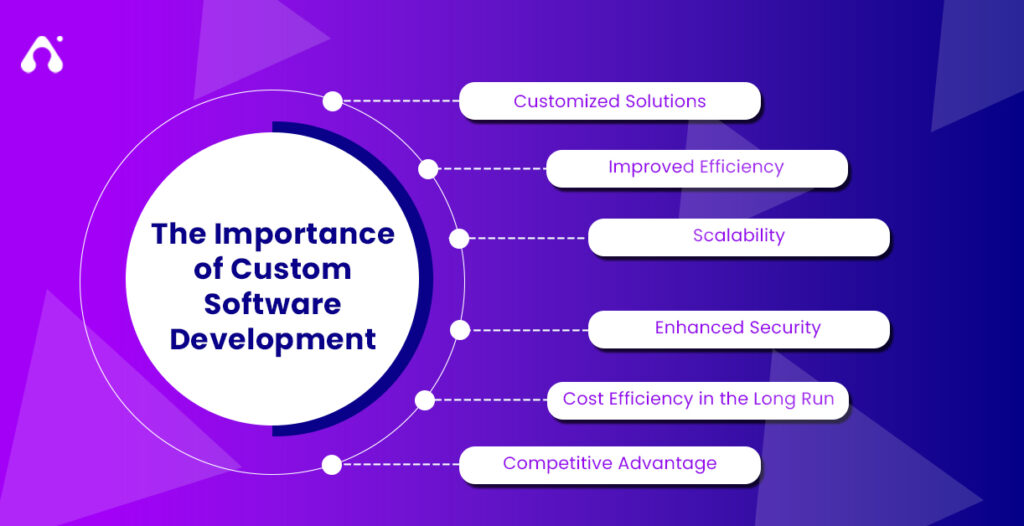
Custom software solutions are important because they give businesses full control over their technology. Instead of adapting processes to fit software, the software adapts to the business. This improves efficiency and reduces frustration among employees.
Another reason is scalability. As businesses grow, their needs change. Custom software can be updated and expanded without starting from scratch. Security is also stronger because protection features are designed around specific data and risks.
Most importantly, businesses gain a competitive advantage. Faster processes, better data insights, and improved customer service help companies stand out in the market.
Detailed Step-by-Step Guide
Understanding the development process helps reduce risks and ensures better results.
Step 1: Identify business needs
Start by clearly defining the problems you want to solve. Talk to employees and list challenges they face daily. Clear goals guide the entire project.
Step 2: Plan features and budget
Create a list of required and optional features. Set a realistic budget and timeline. Good planning prevents delays and unexpected costs.
Step 3: Select a development partner
Choose a development team with relevant experience. Communication skills, transparency, and technical knowledge are essential.
Step 4: Design and development
Designers create user-friendly layouts. Developers then build the system based on approved designs. Regular feedback ensures alignment.
Step 5: Testing and quality assurance
Testing checks performance, security, and usability. Fixing issues early saves time and money.
Step 6: Deployment and user training
After approval, the software is launched. Training helps users understand features and work confidently.
Step 7: Maintenance and improvement
Ongoing updates keep the software secure and effective. Regular improvements ensure long-term value.
Benefits of custom software solutions
- Tailored features that match business workflows
- Improved productivity and efficiency
- Better data security and control
- Easy scalability as the business grows
- Long-term cost effectiveness
- Enhanced customer experience
Disadvantages / Risks
- Higher initial development cost
- Longer development time compared to ready-made tools
- Requires active involvement from the business
- Dependence on skilled developers
- Ongoing maintenance responsibility
Common Mistakes to Avoid
One common mistake is starting without clear requirements. This leads to confusion and delays. Choosing a development partner based only on price can also cause quality issues. Poor communication results in misunderstandings. Skipping proper testing creates usability problems. Lastly, ignoring future growth limits the software’s value.
FAQs
What types of businesses need custom software solutions?
Businesses with unique processes, such as healthcare, logistics, finance, and retail, benefit the most because standard tools often lack required features.
Are custom software solutions suitable for small businesses?
Yes, small businesses can start with basic features and expand later, making it a flexible option.
How long does development usually take?
Most projects take three to six months, depending on complexity and scope.
Can custom software integrate with existing tools?
Yes, integration is common and allows smooth data flow between systems.
Is training necessary for users?
Training improves adoption and reduces errors, even for simple systems.
How are updates and improvements handled?
Updates are planned based on feedback, security needs, and business growth.
Expert Tips & Bonus Points
Start with essential features and avoid overloading the first version. Involve end users early to gather feedback. Maintain clear documentation for future updates. Choose technologies that support growth and flexibility. Review progress regularly to stay aligned with goals.
For example, a small online store may struggle with order tracking using spreadsheets. A custom order management system can automate tasks, reduce errors, and improve customer satisfaction. Another example is a service company needing one platform for projects, billing, and communication. Custom software brings everything together in one system.
Security should always be built from the beginning. Strong access controls, data encryption, and backups protect valuable information. User testing also plays a vital role. Real users identify issues that developers may overlook.
Cost planning is essential. While initial investment may be higher, long-term savings from efficiency and reduced errors often outweigh the cost. Software should be viewed as a long-term asset.
Leadership support improves success. When management is involved, teams stay engaged and adoption improves. Clear communication and realistic expectations create better outcomes.
Conclusion
Custom software solutions offer businesses a powerful way to align technology with real needs. Instead of adjusting workflows to fit generic tools, companies gain systems designed specifically for them. This leads to better efficiency, stronger security, and improved customer satisfaction.
For beginners, the process becomes manageable when broken into clear steps. From planning and development to testing and maintenance, each stage adds value. Intermediate readers can see how proper communication and planning reduce risks.
Although challenges such as cost and time exist, the long-term benefits often outweigh them. Custom software solutions provide flexibility, scalability, and control. They support sustainable growth and help businesses remain competitive.
Choosing the right software is a strategic decision, not just a technical one. With careful planning and expert guidance, businesses can build solutions that support success for years to come.
