



SIntroduction
SaaS softwae solutions have changed how businesses use technology in daily operations. Instead of installing complex systems on local computers, companies now access software through the internet. This shift has made technology easier, faster, and more affordable for beginners and growing organizations. In the first stage of digital growth, many businesses discover that SaaS software solutions reduce technical stress and improve productivity.
The term SaaS stands for Software as a Service. It means software is delivered online and managed by a provider. Users simply log in and start working. This approach removes the need for heavy hardware, manual updates, and complex maintenance tasks. As a result, teams can focus more on their work instead of technical issues.
SaaS software solutions are used in many areas, including accounting, project management, customer support, marketing, and communication. Both small startups and large companies rely on these tools every day. They offer flexibility, predictable costs, and easy access from anywhere.
For beginners, understanding this model may feel confusing at first. However, once the basics are clear, the value becomes obvious. This article explains SaaS software solutions in simple English. You will learn what they are, why they matter, how to use them step by step, and what mistakes to avoid. By the end, you will have a clear picture of how these solutions support modern businesses.
What is SaaS software solutions?
SaaS software solutions are cloud-based applications that users access through a web browser. Instead of buying software once and installing it, users pay a subscription fee to use the service. The provider handles hosting, security, updates, and performance.
A common example is online email services. Users log in, send messages, and store data without managing servers. Other examples include online accounting tools, team collaboration platforms, and customer management systems.
These solutions work on different devices, including laptops, tablets, and smartphones. Because everything runs online, users always access the latest version. This makes SaaS software solutions simple, flexible, and easy to manage.
Why is SaaS software solutions important?
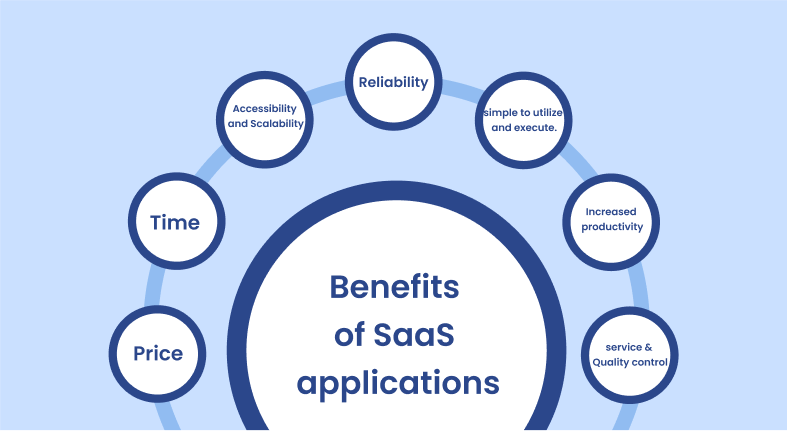
SaaS software solutions are important because they lower the entry barrier to technology. Businesses no longer need large budgets or technical teams to use powerful tools. This makes digital growth more accessible.
Another reason is speed. Companies can start using software within minutes instead of weeks. Scalability also plays a major role. As needs grow, users can upgrade plans without changing systems.
Security and reliability are also key factors. Providers invest heavily in protecting data and maintaining uptime. For many businesses, this level of protection would be difficult to manage alone.
Detailed Step-by-Step Guide
Understanding how to adopt SaaS software solutions helps ensure success.
Step 1: Identify your business needs
Start by listing problems you want to solve. This could include task tracking, billing, or customer communication.
Step 2: Research available SaaS options
Compare features, pricing, and user reviews. Focus on tools that match your goals.
Step 3: Choose the right subscription plan
Select a plan that fits your budget and team size. Avoid paying for unused features.
Step 4: Set up accounts and permissions
Create user accounts and assign access levels. This keeps data organized and secure.
Step 5: Train your team
Provide basic training so users understand features and workflows.
Step 6: Integrate with existing tools
Many SaaS platforms connect with other software. Integration saves time and reduces manual work.
Step 7: Monitor usage and performance
Review reports and feedback regularly. Adjust settings or plans as needed.
Benefits of SaaS software solutions
- Lower upfront costs and predictable monthly pricing
- Easy access from any location or device
- Automatic updates and maintenance
- Fast setup and quick deployment
- High scalability for growing teams
- Improved collaboration and data sharing
Disadvantages / Risks
- Ongoing subscription costs over time
- Dependence on internet connectivity
- Limited customization in some tools
- Data security concerns if providers are poorly chosen
- Vendor lock-in challenges when switching platforms
Common Mistakes to Avoid
One common mistake is choosing software without clear goals. This leads to wasted money and confusion. Another error is ignoring user feedback during selection. Failing to review security policies can also cause problems. Some businesses buy advanced plans they do not need. Lastly, skipping training reduces adoption and value.
FAQs
What types of businesses use SaaS software solutions?
Businesses of all sizes use them, including startups, small companies, and large enterprises across many industries.
Are SaaS software solutions expensive?
Most tools offer affordable plans and flexible pricing, making them cost effective for many users.
Can SaaS tools be customized?
Some platforms allow customization through settings and add-ons, but deep changes may be limited.
Is data safe in SaaS platforms?
Reputable providers use strong security measures, but users should still follow best practices.
Do SaaS solutions work offline?
Most require internet access, though some offer limited offline features.
How easy is it to switch providers?
Switching is possible but requires planning to move data and train users.
Expert Tips & Bonus Points
Start with one or two tools instead of many. This helps teams adapt gradually. Always test free trials before committing. Read terms carefully to understand data ownership. Review usage regularly to avoid paying for unused features.
For example, a small marketing team may start with a SaaS project management tool. As the team grows, they can add time tracking and reporting features. Another example is a retail business using online accounting software to manage invoices and taxes without hiring extra staff.
Security awareness is important. Use strong passwords and enable two factor authentication when available. Regularly review user access to protect sensitive information.
Think long term when choosing providers. A reliable platform with good support often delivers better value than a cheaper option with limited service.
Conclusion
SaaS software solutions have become a foundation of modern business operations. They offer an easy way to access powerful tools without heavy investment or technical complexity. For beginners, this model removes many barriers and supports faster learning and growth.
By understanding what SaaS software solutions are and how they work, businesses can make smarter choices. Clear planning, proper training, and regular reviews increase success. Intermediate users can optimize workflows and scale operations smoothly.
While there are risks such as subscription costs and internet dependence, the benefits often outweigh the challenges. Flexibility, scalability, and convenience make this model appealing to many industries.
Choosing the right tools is a strategic decision. With careful evaluation and expert practices, SaaS software solutions can support efficiency, collaboration, and long term success in an increasingly digital world.
