

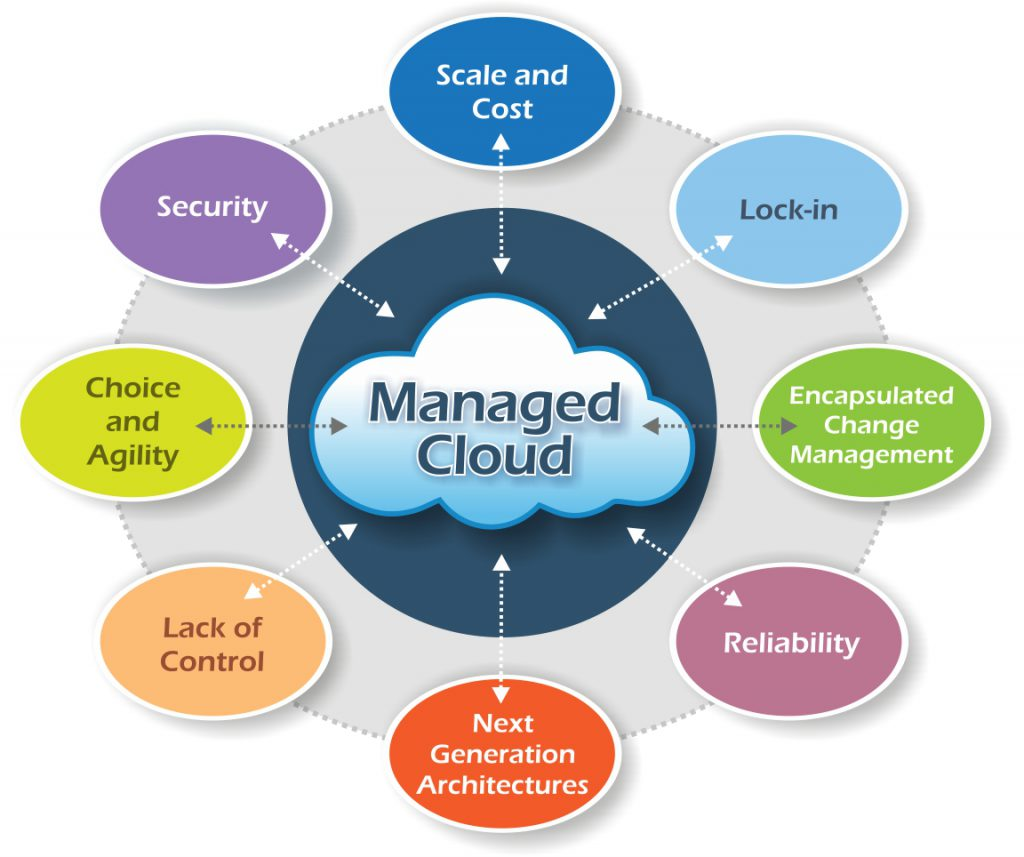
Managed cloud services have become a key part of modern business technology. In simple terms, managed cloud services allow companies to use cloud infrastructure while experts handle setup, monitoring, security, and maintenance. Instead of managing servers and systems on their own, businesses rely on skilled providers. Managed cloud services help save time, reduce costs, and improve performance. For beginners and intermediate readers, understanding managed cloud services can feel confusing at first. However, once the basics are clear, the concept becomes much easier. This guide explains everything step by step in plain English. You will learn what managed cloud services are, why they matter, how they work, and how to avoid common mistakes. Many startups, growing companies, and even large enterprises now depend on managed cloud services to stay competitive. They offer flexibility, reliability, and peace of mind. By the end of this article, you will have a strong foundation and practical knowledge. Whether you are planning to move to the cloud or simply want to understand the topic better, this guide will help you make informed decisions with confidence and clarity.
What is Managed Cloud Services?
Managed cloud services refer to outsourcing daily cloud management tasks to a third-party provider. These tasks include server management, data backups, security updates, performance monitoring, and technical support. The cloud provider takes responsibility for keeping systems running smoothly.
Instead of hiring a full in-house IT team, businesses rely on experts who specialize in cloud environments. Common platforms include public, private, and hybrid cloud systems. Managed cloud services are often used for hosting websites, running applications, storing data, and supporting remote work.
Why is Managed Cloud Services Important?
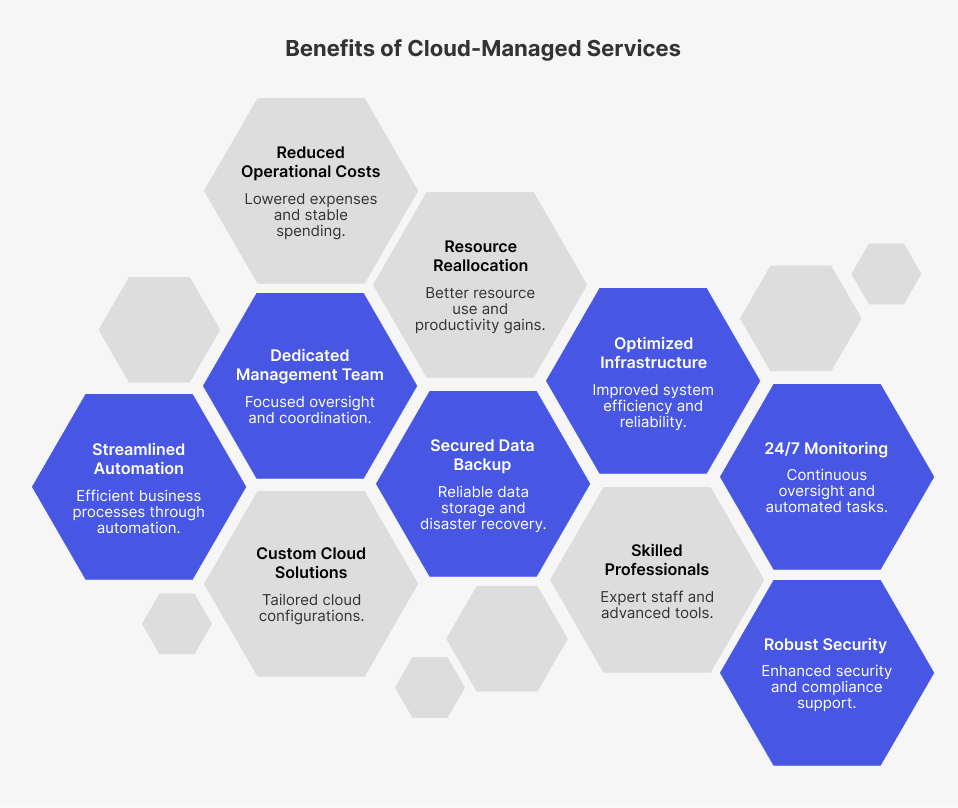
Managed cloud services are important because they remove technical complexity. Businesses can focus on their core goals instead of worrying about infrastructure issues. Cloud experts ensure systems are secure, updated, and optimized.
Another key reason is cost control. Companies pay for what they use and avoid expensive hardware investments. Scalability is also crucial. Managed cloud services allow businesses to grow or reduce resources easily based on demand. This flexibility supports long-term success and stability.
Detailed Step-by-Step Guide
Step 1: Assess Business Needs
Start by identifying your goals. Consider workload size, security needs, budget, and performance expectations. This step helps choose the right cloud model and service level.
Step 2: Choose the Right Cloud Model
Select between public, private, or hybrid cloud options. Public clouds are cost-effective, private clouds offer control, and hybrid clouds combine both benefits.
Step 3: Select a Managed Service Provider
Look for experience, certifications, support availability, and service agreements. A reliable provider ensures uptime, security, and quick issue resolution.
Step 4: Plan Migration
Create a clear migration plan. Decide which data and applications move first. Test systems to avoid downtime and data loss.
Step 5: Implementation and Setup
The provider configures servers, networks, and security tools. They also set up backups, monitoring, and access controls.
Step 6: Continuous Monitoring
Managed cloud services include 24/7 monitoring. Providers track performance, fix issues, and apply updates automatically.
Step 7: Optimization and Scaling
As business needs change, resources are adjusted. This ensures consistent performance without overpaying for unused capacity.
Benefits of Managed Cloud Services
- Reduced operational costs
- Access to skilled cloud experts
- Improved security and compliance
- Better system performance and uptime
- Easy scalability and flexibility
- Faster problem resolution
Disadvantages / Risks
- Less direct control over infrastructure
- Dependence on service providers
- Possible communication challenges
- Ongoing subscription costs
- Risk of choosing an unreliable provider
Common Mistakes to Avoid
Many businesses rush into managed cloud services without planning. Skipping needs assessment often leads to overspending or poor performance. Another mistake is choosing providers based only on price. Low cost may mean weak support or security gaps.
Ignoring service level agreements is also risky. Clear terms define responsibilities and response times. Lastly, failing to review performance reports can hide issues. Regular reviews ensure the service continues to meet expectations.
FAQs
1. Who should use managed cloud services?
Managed cloud services are ideal for startups, small businesses, and enterprises that want reliable cloud systems without managing technical details internally.
2. Are managed cloud services secure?
Yes, reputable providers use advanced security tools, encryption, and regular updates. However, businesses should still follow best security practices.
3. How much do managed cloud services cost?
Costs depend on usage, services, and provider. Pricing is usually monthly and scalable based on demand.
4. Can managed cloud services support remote work?
Yes, they enable secure access to data and applications from anywhere, supporting remote and hybrid teams.
5. Is migration to managed cloud services difficult?
With proper planning and expert support, migration is smooth. Providers handle most technical tasks to reduce disruption.
6. What support is included?
Most providers offer 24/7 monitoring, technical support, regular updates, and performance optimization.
Expert Tips & Bonus Points
Always start small and scale gradually. This reduces risk and helps control costs. Choose providers with strong customer support and transparent reporting. Regularly review security settings and access permissions.
Training your team on basic cloud usage improves efficiency. Finally, treat managed cloud services as a partnership. Open communication leads to better results and long-term success.
Conclusion
Managed cloud services offer a smart way to use cloud technology without technical stress. They allow businesses to focus on growth while experts handle infrastructure management. From improved security to flexible scaling, managed cloud services deliver real value. Beginners benefit from simplicity, while intermediate users enjoy optimization and control. Although there are risks, careful planning and the right provider reduce them. As digital needs continue to grow, managed cloud services will remain essential. Understanding how they work helps businesses make confident decisions. By applying the steps, tips, and insights shared in this guide, you can use managed cloud services effectively and support long-term success.
