

Introduction
In today’s digital world, businesses of all sizes rely on technology to operate efficiently. Cloud computing has become a game-changer, offering flexibility, cost savings, and scalability. However, managing cloud infrastructure on your own can be complex and time-consuming. This is where managed cloud services come into play. Managed cloud services allow businesses to outsource cloud management tasks to experts, ensuring smooth operations and optimal performance.
Whether you are a small business owner, a startup founder, or someone exploring cloud technology, understanding managed cloud services can save you time, money, and resources. These services cover everything from server setup and maintenance to security and monitoring. With experts handling the technical aspects, you can focus on growing your business rather than troubleshooting IT issues.
In this article, we will explore what managed cloud services are, why they are important, their benefits and risks, common mistakes, expert tips, and answers to frequently asked questions. By the end of this guide, you will have a clear understanding of how managed cloud services work and how they can support your business growth.
What is Managed Cloud Services?
Managed cloud services are professional services provided by cloud experts to manage, monitor, and maintain a company’s cloud infrastructure. Instead of businesses handling cloud operations themselves, managed service providers (MSPs) take responsibility for tasks such as server management, data storage, security, and software updates.
These services can include:
- Cloud migration and deployment
- Performance monitoring and optimization
- Security and compliance management
- Backup and disaster recovery
- Database management
The goal of managed cloud services is to make cloud computing simple and efficient for businesses. Companies can rely on professionals to ensure their cloud systems run smoothly, without the need for in-house technical expertise.
Why is Managed Cloud Services Important?
Managed cloud services are essential for several reasons:
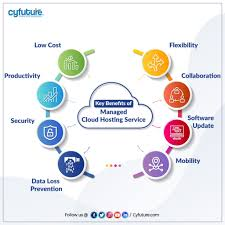
- Expertise – Not every business has a dedicated IT team with cloud experience. Managed services provide access to skilled professionals who understand cloud technologies inside out.
- Cost Efficiency – Maintaining cloud infrastructure in-house can be expensive. Managed services reduce operational costs by handling maintenance and reducing downtime.
- Security and Compliance – Cloud environments are vulnerable to threats. Managed services ensure your data is protected and compliant with regulations.
- Focus on Core Business – Outsourcing cloud management allows you to concentrate on strategic tasks instead of technical issues.
- Scalability – Businesses can scale resources up or down easily with managed cloud services, ensuring they only pay for what they use.
In short, managed cloud services give businesses a competitive edge by providing reliable, secure, and efficient cloud solutions.
Detailed Step-by-Step Guide
Step 1: Assess Your Business Needs
Before selecting a managed cloud service, evaluate your company’s requirements. Consider:
- The size of your data
- Required computing power
- Compliance needs
- Budget constraints
Step 2: Choose the Right Cloud Provider
Not all providers offer the same services. Compare cloud providers based on:
- Service offerings (IaaS, PaaS, SaaS)
- Reliability and uptime guarantees
- Security certifications
- Customer support
Step 3: Plan Your Migration
If you are moving from an on-premise system, plan your cloud migration carefully. This involves:
- Evaluating existing applications
- Determining the migration sequence
- Testing workloads before full deployment
Step 4: Implement Managed Services
Once migration is planned, your managed service provider will handle:
- Cloud setup and configuration
- Security setup including firewalls and encryption
- Continuous monitoring of performance
Step 5: Monitor and Optimize
Managed cloud services aren’t a one-time setup. Providers continuously monitor your systems, update software, and optimize performance to ensure:
- Maximum uptime
- Cost efficiency
- Security compliance
Benefits of Managed Cloud Services
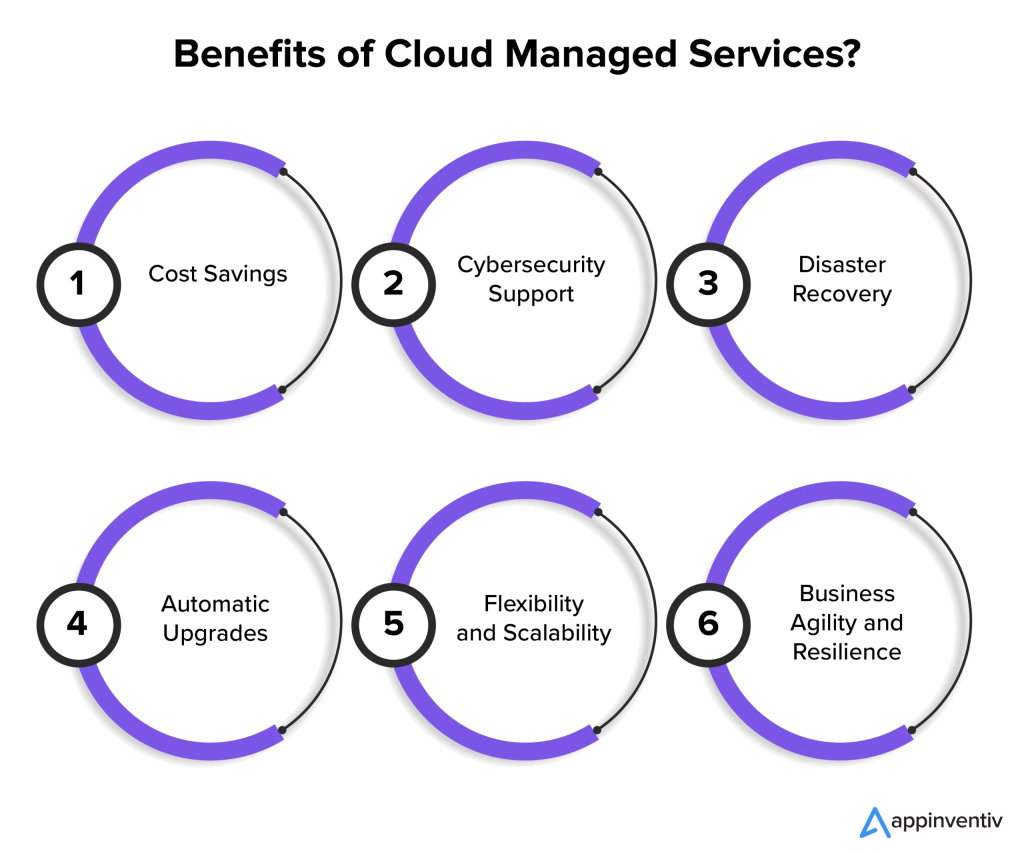
- 24/7 Monitoring – Continuous oversight of cloud systems to prevent downtime.
- Enhanced Security – Protection against cyber threats and compliance with regulations.
- Reduced IT Costs – Lower operational and maintenance expenses.
- Scalability – Easily adjust resources based on business demands.
- Disaster Recovery – Backup solutions and recovery plans in case of system failures.
- Expert Support – Access to cloud professionals without hiring a full in-house team.
Disadvantages / Risks
- Cost for Small Businesses – Managed services may seem expensive for very small operations.
- Limited Control – Some decisions may be handled by the provider rather than the business.
- Dependency on Provider – Business operations rely heavily on the MSP’s reliability.
- Data Security Concerns – Although providers secure data, trust issues may arise.
Common Mistakes to Avoid
- Choosing the Cheapest Provider – Cost should not be the only factor; reliability and support matter more.
- Ignoring SLAs – Always review service level agreements to understand uptime and support commitments.
- Underestimating Data Needs – Make sure your provider can handle your current and future storage requirements.
- Neglecting Compliance – Ensure the provider follows industry regulations relevant to your business.
- Overlooking Monitoring Tools – Ask for visibility into performance and usage reports.
FAQs
1. Are managed cloud services suitable for small businesses?
Yes, even small businesses benefit from managed cloud services. They provide expert support, security, and scalability without needing an in-house IT team.
2. How much do managed cloud services cost?
Costs vary based on services, provider, and resource usage. Most providers offer flexible pricing models such as pay-as-you-go or subscription plans.
3. Can I switch providers easily?
Switching providers is possible but requires careful planning to migrate data, applications, and configurations safely.
4. Is data safe with managed cloud services?
Reputable providers implement strong security measures, including encryption, firewalls, and regular audits, ensuring data safety.
5. Do I need technical knowledge to use managed cloud services?
No. One of the main advantages is that providers handle technical tasks, allowing you to focus on your business.
6. How do managed cloud services handle downtime?
Providers monitor systems 24/7 and implement redundancy and disaster recovery solutions to minimize downtime.
7. What types of businesses benefit most?
All types, from startups to large enterprises, benefit. Businesses with limited IT resources, high data needs, or strict security requirements see the most advantages.
Expert Tips & Bonus Points
- Regularly Review Reports – Use provider reports to track performance and costs.
- Negotiate SLAs – Ensure uptime, support response times, and security measures meet your expectations.
- Start Small – Begin with critical workloads before fully migrating all systems.
- Optimize Costs – Adjust cloud resources regularly to avoid paying for unused capacity.
- Train Your Team – While providers manage the cloud, employees should understand basic cloud operations for smoother collaboration.
Conclusion
Managed cloud services simplify cloud computing by offering expert support, security, and continuous monitoring. Businesses of all sizes benefit from reduced IT costs, enhanced performance, and scalable solutions. While there are some risks, such as dependency on providers and potential costs, careful planning and selecting the right service provider can mitigate them.
By understanding your business needs, choosing a reliable provider, and following best practices, you can leverage managed cloud services to drive efficiency and growth. Outsourcing cloud management allows you to focus on core business objectives while leaving technical challenges to professionals. Whether you are a beginner exploring cloud solutions or an intermediate user looking to optimize operations, managed cloud services offer a practical and secure way to succeed in today’s technology-driven world.
