


Introduction
In today’s fast-paced digital world, businesses need efficient tools that simplify operations without breaking the budget. This is where SaaS software solutions come into play. These cloud-based tools allow companies to manage tasks, collaborate, and scale operations without investing in expensive hardware or complex installations. Unlike traditional software, SaaS solutions are hosted online, meaning you can access them anytime, anywhere, using just a web browser.
SaaS software solutions have grown rapidly over the past decade because they combine convenience, affordability, and flexibility. For small businesses and startups, SaaS applications provide enterprise-level tools without the typical high costs. For larger companies, they streamline workflows and ensure teams stay connected, even across different locations.
This guide is designed for beginners and intermediate users who want to understand what SaaS software solutions are, how they work, and why they are essential for modern businesses. We will break down the concept in simple terms, discuss the advantages and risks, and offer actionable tips for getting the most out of these tools. By the end, you’ll have a clear understanding of SaaS software solutions and how to leverage them effectively for your business growth.
What is SaaS Software Solutions?
SaaS software solutions, or Software as a Service, are applications hosted on the cloud and delivered over the internet. Instead of installing software on individual computers, users can access it through a web browser or mobile app. This model eliminates the need for servers, complex installations, or regular updates on your device.
Some common examples include email marketing tools, customer relationship management (CRM) systems, project management apps, and accounting software. Businesses pay a subscription fee—monthly or annually—to use the software. This fee often covers maintenance, updates, and customer support, making SaaS software solutions a cost-effective choice for companies of all sizes.
The key characteristic of SaaS solutions is accessibility. Teams can collaborate in real-time, data is stored securely in the cloud, and updates happen automatically. Popular SaaS platforms like Salesforce, Slack, and Zoom demonstrate how these tools can improve productivity, streamline communication, and reduce IT overhead.
Why is SaaS Software Solutions Important?
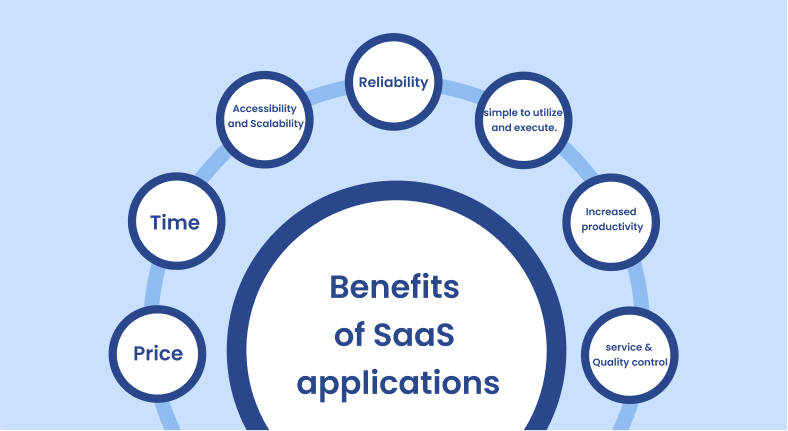
SaaS software solutions have become a critical part of modern business operations for several reasons:
- Cost Efficiency: Businesses no longer need to buy expensive hardware or pay for software licenses upfront. Subscription-based pricing makes budgeting predictable.
- Scalability: Companies can adjust the number of users or features based on current needs without overhauling their systems.
- Accessibility: Cloud-based solutions allow employees to work from anywhere, enhancing flexibility and remote collaboration.
- Automatic Updates: SaaS providers handle software updates and security patches, ensuring that users always have access to the latest version.
- Integration: Many SaaS applications can connect with other tools, creating a seamless workflow that boosts productivity.
With these benefits, SaaS software solutions help businesses stay competitive, reduce operational costs, and maintain smooth day-to-day operations.
Detailed Step-by-Step Guide
Step 1: Identify Your Needs
Before choosing a SaaS solution, list the problems you want to solve. For example:
- Need a tool for team collaboration?
- Want to automate marketing campaigns?
- Looking for a CRM system to manage customers?
Having clear goals makes it easier to select the right software.
Step 2: Research Available Options
Once your needs are clear, research the best SaaS software solutions in that category. Look for:
- Features that match your requirements
- Pricing plans that fit your budget
- User reviews and ratings
Step 3: Test the Software
Most SaaS providers offer free trials or demo versions. Testing allows you to:
- Evaluate the user interface
- Check if it integrates with your existing tools
- See how easy it is for your team to adopt
Step 4: Consider Security and Compliance
Ensure the software provider follows data protection regulations like GDPR or HIPAA if applicable. Check for:
- Encryption protocols
- Access control features
- Data backup policies
Step 5: Implement and Train Your Team
After selecting the software, implement it step by step:
- Set up accounts for all users
- Customize settings to match your workflow
- Train employees on how to use it efficiently
Step 6: Monitor Performance and ROI
Track how the SaaS software solutions impact your business:
- Measure productivity gains
- Assess time savings
- Evaluate cost reduction
Regular monitoring ensures that your chosen solution continues to meet your business goals.
Benefits of SaaS Software Solutions
- Cost Savings: No need for physical infrastructure or large upfront investments.
- Ease of Use: Most SaaS applications have intuitive interfaces.
- Remote Access: Work from anywhere, anytime.
- Automatic Updates: No manual software maintenance required.
- Scalable: Adjust the number of users or features as your business grows.
- Collaboration: Real-time data sharing and communication.
- Integration: Connect with other business tools for a seamless workflow.
Disadvantages / Risks
- Internet Dependency: Requires a stable internet connection.
- Data Security: Sensitive data is stored on external servers.
- Limited Customization: Some SaaS applications offer fewer customization options than on-premise software.
- Recurring Costs: Subscription fees can add up over time.
- Downtime Risks: Service outages may affect access temporarily.
Common Mistakes to Avoid
- Choosing software without testing the free trial
- Ignoring integration with existing tools
- Overlooking security and compliance measures
- Underestimating training needs for your team
- Focusing only on cost and ignoring features and scalability
FAQs
1. What types of businesses benefit from SaaS software solutions?
All types of businesses, from small startups to large enterprises, can benefit. SaaS tools are especially useful for companies with remote teams, limited IT resources, or the need for scalable solutions.
2. How secure are SaaS applications?
Reputable SaaS providers use encryption, secure data centers, and access control. However, businesses must still follow best practices like strong passwords and two-factor authentication.
3. Can I customize SaaS software solutions?
Customization varies by provider. Some allow extensive personalization of workflows and dashboards, while others offer limited adjustments. Always check customization options before purchasing.
4. Are SaaS solutions cost-effective in the long run?
Yes, especially when you factor in reduced IT overhead, automatic updates, and improved productivity. However, businesses must monitor subscription costs as they scale.
5. How do SaaS solutions differ from traditional software?
Traditional software requires installation on individual devices and often has a one-time cost. SaaS software is cloud-based, subscription-based, and accessible online without installation.
6. Can SaaS software integrate with other tools?
Most modern SaaS applications offer integration options with CRMs, email marketing platforms, accounting tools, and project management apps to streamline workflows.
7. Do SaaS providers offer customer support?
Yes, most provide 24/7 support, tutorials, and knowledge bases to help users get the most out of their software.
Expert Tips & Bonus Points
- Start Small: Begin with one or two SaaS applications before expanding.
- Monitor Usage: Regularly check which tools are being used to avoid unnecessary subscriptions.
- Leverage Automation: Use built-in automation features to save time on repetitive tasks.
- Evaluate ROI: Continuously assess the benefits to ensure the investment is worthwhile.
- Stay Updated: Keep track of new features and upgrades offered by the provider.
- Train Teams: Proper training ensures your team fully utilizes all features, improving efficiency.
Conclusion
SaaS software solutions have transformed the way businesses operate by providing flexible, cost-effective, and accessible tools. From improving collaboration to automating workflows, these cloud-based solutions make it easier for companies of all sizes to compete in a digital landscape.
By understanding what SaaS software solutions are, identifying your business needs, and choosing the right tools, you can enhance productivity and achieve sustainable growth. While there are risks such as internet dependency and security concerns, careful selection and proper usage can minimize these challenges.
For businesses just starting or looking to scale efficiently, adopting SaaS software solutions is a smart move. With their scalability, ease of access, and wide range of features, SaaS applications empower teams to work smarter, not harder. Investing in the right tools today can save time, reduce costs, and set your business on a path to long-term success.
